If you are buying hair extensions for the first time, one question comes up almost every time. Should you pick real human hair or synthetic hair? Synthetic hair costs less, so it looks like the smart choice. Real hair costs more, so people worry it is not needed. Which one is actually worth your money?
The honest answer is that it depends on how often you will wear them, what you want to do with them, and how long you want them to last. In this blog, we will compare both types in simple words so you can decide without wasting money.
We are Vipin Hair Extension in Jaipur, and we work with 100% Remy human hair. So yes, we have a side. But we will also tell you where synthetic hair makes sense, because not everyone needs the same thing.
What Are Real Human Hair Extensions?
Real hair extensions are made from actual human hair. The hair is collected, sorted so that all strands face the same direction, and then made into clip-ins, wefts, tips or ponytails. The word “Remy” means the cuticle (the outer layer of each strand) stays intact and lined up. This is what keeps the hair smooth and stops it from tangling badly.
Because it is real hair, it behaves like your own. You can wash it, comb it, curl it, straighten it and even colour it (with care). It also moves the way natural hair moves, which is why people around you will not notice anything.
At Vipin Hair Extension, all our extensions are made from natural human hair. You can see the full range on our shop page.
What Are Synthetic Hair Extensions?
Synthetic extensions are made from man-made fibres, mostly plastic-based materials like acrylic or nylon. These fibres are made to look like hair, and some of them look quite good in photos. They come in many bright colours and are usually pre-styled, which means the curl or wave is already set in the fibre.
They are light on the pocket and easy to find. That is their biggest plus. But the fibre is not hair, and that difference shows up once you start wearing and styling it.
Look and Feel: Where Real Hair Wins Easily
This is the first thing people notice. Synthetic hair often has a plastic shine. In sunlight or under a camera flash, it can look too glossy and a bit flat. The texture also feels different. It can feel slippery or rough, and it does not blend well with natural hair that has a soft, matte finish.
Real hair does not have this problem. The shine looks natural, the strands fall softly, and the extensions mix with your own hair. If you are wearing them to the office, a wedding or a family function, this matters a lot. Nobody should be able to tell where your hair ends and the extension begins.
If you want to see how natural the result looks, check our before and after page.
Styling and Heat: A Big Difference
This is where many people get surprised.
Synthetic hair cannot take normal heat. If you use a hot straightener or curling iron on regular synthetic fibre, it can melt or get damaged. Some “heat-friendly” synthetic hair exists, but it handles only low heat, and the quality is not the same as real hair. Once the style is damaged, you cannot fix it. A curl that is lost stays lost.
Real hair extensions can be styled like your own hair. You can straighten, curl, blow-dry and set them in any style you like. Just use a heat protectant and keep the temperature sensible. If you like changing your look, real hair gives you much more freedom.
You can also get them in different textures like body wave, straight and curly clip-ons, so you can match your natural hair type.
Colour Matching and Dyeing
Synthetic hair cannot be dyed in a proper way. The colour you buy is the colour you get. If the shade is slightly off from your hair, you are stuck with it.
Real hair can be coloured, toned or blended by a salon, though lightening it too much will weaken it, just like your own hair. A better way is to pick the right shade from the start. We have a colour chart so you can check the shade before you order. If you love highlights or a colour fade, you can also look at our ombre hair extensions.
How Long Do They Last?
This is the part that decides if something is “worth the money”.
Synthetic hair usually lasts for a few weeks to a few months with regular use. It gets frizzy, tangled and dull quite fast. Once the fibre starts to look rough, there is no way to bring it back.
Real hair lasts much longer. With the right care, clip-in human hair extensions can last for years. On our site, we say up to 6 years or even more, and that really depends on how you wash, store and style them. People who wear them only on weekends or special days can get even more life out of them.
So even if you pay more at the start, real hair often works out cheaper in the long run.
The Real Cost: Price vs Cost Per Wear
Let us talk about money in a practical way.
Say a synthetic set costs less today. But you will need to buy a new one every few months because it tangles or loses its look. After a year, you may have bought three or four sets. Add that up and the “cheap” option is not that cheap anymore.
Now think about real hair. Our clip-on extensions start from around ₹4,800, and weft hair starts from about ₹1,300 depending on length and weight. If you wear a good set 30 to 40 times a year for a few years, the cost per wear becomes very small.
So here is a simple way to think about it:
- Wearing once or twice for a single event: synthetic can be enough.
- Wearing regularly, for months or years: real hair is the better deal.
You can check current prices on our clip-on and weft pages.
Comfort and Scalp Safety
Human hair is lighter and sits more naturally on your head. Synthetic fibre can feel heavy and sometimes itchy, especially in hot weather. In a city like Jaipur, where summers are long and hot, a plastic fibre can make your head feel warm and sweaty.
Some people also find that synthetic fibre irritates the skin near the hairline. Real hair does not have this issue, as it feels the same as your own hair.
If you have a sensitive scalp, it is better to go with real hair and to avoid wearing any extension too tight for too long.
Care: Which One Is Easier?
Synthetic hair looks easy to care for at first, because the style stays in place. But once it gets tangled, it is hard to fix. You also cannot use most normal hair products on it.
Real hair needs a little more attention, but the routine is simple and similar to your own hair:
- Brush gently before and after wearing, starting from the ends.
- Wash only when needed. For clip-ins, once every 10 to 15 wears is fine if you wear them occasionally.
- Use a mild, sulfate-free shampoo and normal water.
- Let the hair dry fully before you store it.
- Keep it away from too much heat and harsh products.
- Store it in a safe place, not loose in a bag.
That is all. With this routine, real hair keeps its shine and softness for a long time.
When Does Synthetic Hair Make Sense?
We do not want to say real hair is the right choice for everyone. Synthetic hair can work well in a few cases:
- You need something for one event, like a photoshoot or a costume party.
- You want a bright fun colour, like pink or blue, just for a short time.
- You are only trying extensions for the first time and are not sure you will use them again.
In these cases, a low-cost synthetic piece is fine. But if you want your hair to look natural every day or on important occasions, real hair is the safer pick.
How to Check If Hair Is Real or Synthetic
Sadly, many sellers online call their product “100% human hair” when it is not. Here are some simple things you can check before you pay:
- Feel and shine: Real hair feels soft and has a gentle shine. Synthetic hair feels slippery and looks very glossy.
- Heat test: Real hair handles a flat iron at normal settings. Synthetic fibre can melt or curl up. Do this only on a small hidden strand and never on a piece you plan to return.
- Water test: Real hair absorbs water and behaves like normal hair. Synthetic fibre stays slippery.
- Price: If the price looks too good to be true, it usually is. Real Remy hair has a real cost.
- The seller: Check if the seller has a real shop, a phone number, clear return rules and honest photos.
One more thing. Do not use the burn test with a lighter at home. It is unsafe and the smell can be confusing anyway. Buy from a trusted seller instead.
At Vipin Hair Extension, you can visit our store in Tagore Nagar, Jaipur, or call us on +91 9928897737 to see the hair before you buy. You can also read about us on our about page.
Which Real Hair Extension Should You Choose?
Once you decide on real hair, the next step is to pick the type. Here is a quick guide:
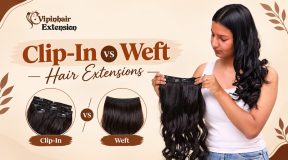
- Clip-on extensions: The easiest option. You can put them on in minutes and take them off at night. Great for beginners.
- Weft extensions: Good for people who want a long-term look. These are usually fixed by a stylist and give a lot of volume.
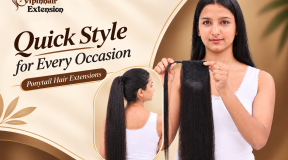
- Ponytail extensions: Perfect when you want a quick, full ponytail for parties, weddings or daily wear.
- I-tip, U-tip and Nano extensions: These are fixed strand by strand for a very natural look. They are best done by a trained person.
If you are not sure which one suits you, contact us and tell us about your hair. We will help you pick.
Why Buy Real Hair Extensions from Vipin Hair Extension?
- 100% natural human hair, made to blend with your own.
- No chemicals and safe for the skin.
- Many types and colours to choose from.
- Fair prices for good quality hair.
- Easy to wear right away without any hassle.
- Return option within 5 days of delivery (read our refund and cancellation policy for the full terms).
- Delivery across India, and you can check our shipping policy.
If you are a salon owner or a reseller, we also offer wholesale hair extensions at bulk rates.
Frequently Asked Questions
Are real hair extensions really worth the extra money?
In most cases, yes. They last much longer, look natural, can be styled with heat and can be washed and cared for like your own hair. If you plan to wear them often, they cost less over time than buying synthetic sets again and again.
Can I use a straightener or curling iron on human hair extensions?
Yes. Use a heat protectant and keep the heat at a moderate level. Avoid going too hot, as too much heat can damage even real hair.
Do synthetic hair extensions look fake?
Many of them do, especially up close or in bright light. The shine is often too glossy and the texture feels different from natural hair. Some good quality ones can look fine for a short event, but they rarely blend as well as real hair.
How long do human hair extensions last?
With good care, clip-in human hair extensions can last for several years. How long exactly depends on how often you wear them, how you wash them and how much heat you use.
Can I colour real hair extensions?
Yes, but it is best to do it with a professional stylist. Going darker is safer than going lighter. It is also easier to pick the right shade from our colour chart at the start.
Is synthetic hair bad for my scalp?
It is not harmful for everyone, but some people feel itching or heat from synthetic fibre, mainly in hot weather. If you have a sensitive scalp, real hair is a safer choice.
Which is better for beginners, real or synthetic?
If you want to try just once, synthetic is fine. If you want a proper result that you can wear again and again, begin with a set of real clip-in hair extensions. They are easy to wear and easy to remove.
Where can I buy real hair extensions online in India?
You can order real Remy human hair extensions online from Vipin Hair Extension. We are based in Jaipur and deliver across India.
Final Thoughts
So, which one is worth your money?
If you need hair for a single night or a fun colour, synthetic hair can do the job. But if you want something that looks natural, feels soft, handles styling and lasts for years, real human hair is clearly the better choice. You pay more once, and you save more over time.
The best thing is to see and touch the hair before you decide. Visit our shop, check the before and after results, and if you have any question, call us on +91 9928897737 or send us a message from our contact page.
Ready to try real hair extensions? Shop Vipin Hair Extension now and get the length and volume you always wanted.