Two weeks to the wedding. Your hair is flat and just past your shoulders. You want it long, full, and photo-ready.
So you search for extensions. And now you’re stuck between two words. Clip-in or weft?
One you can wear tonight. The other needs a stylist and a free afternoon. One comes off before bed. The other stays for weeks. Same real hair. Very different daily life.
Pick the wrong one, and you’ll waste money, or worse, tug at your own hair. Pick the right one, and nobody will guess you’re wearing extensions.
I’ll break down clip in vs weft extensions in simple words. Cost, care, looks, and hair safety. All of it. No jargon. Let’s find your match.
Clip-In Hair Extensions: Instant Length in Minutes
Clip-ins are the quickest way to get long, full hair. You wear them when you want, take them off when you don’t. No salon visit and no glue.
How Clip-Ins Work
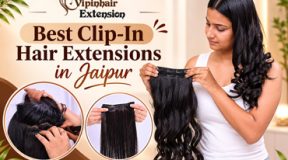
Picture a few thin strips of hair with little clips on the back. That’s a clip-in set. You lift a layer of your hair, press the clips near the roots, and snap them shut. Then your own hair falls over the top and hides everything.
Will it feel odd the first time? A bit. Give yourself ten minutes. By the fifth try, you’ll be done in about four minutes.
Sets come in 12 to 30 inches. Short gives you body. Long gives you a whole new look.
How to put them in:
- Begin at the back, close to your neck
- Work upward, one small section at a time
- Press each clip flat against the scalp
- Leave a thin layer of your own hair on top
Where Clip-Ins Shine and Where They Slip
What do you get with clip-ins? Mostly freedom.
- You don’t need an appointment
- They come off at night, so your scalp can rest
- They’re great for weddings, parties and family functions
- You can try a new length or colour without a big commitment
Now the other side. Clip-ins aren’t for everything.
- You have to put them on and take them off every time
- On very short or fine hair, a badly placed clip can show
- Don’t sleep, swim, or work out hard in them
- If you wear them daily, the same few strands keep taking the pull
Weft Hair Extensions: The Long-Wear Option
A weft is a long strip of hair stitched along one edge. A stylist attaches it to your hair, and it stays for weeks. You don’t fit anything yourself.
How Wefts Are Installed
Stylists use a few different methods. Which one you get depends on your hair type and how thick it is.
The three common ones:
- Sew-in: your hair is braided flat, and the weft is sewn onto the braid
- Beaded: small beads hold the weft against your hair
- Tape or glue: the weft is stuck close to the roots
It takes about two hours. So bring a snack and sit back. When you’re done, you have full hair and nothing to fix each morning.
Your hair grows, so the weft slips down over time. Most stylists want you back in 6 to 8 weeks to fix it. Skip that, and it gets uncomfortable.
Where Wefts Win and Where They Fall Short
Wefts are best for people who don’t want to fuss with their hair daily. If that’s you, you’ll like them.
Why people love them:
- No fitting at home
- Hair looks full and even from root to tip
- Good wefts can often be used again after a reinstall
- Remy wefts handle heat styling and colour well
Where they let you down:
- You must find a good stylist and spend a few hours
- You pay the salon on top of the hair price
- The roots need more cleaning and care
- A tight or rushed install can pull on your scalp
Clip-In vs Weft Hair Extensions: Quick Comparison
No time to read everything? This table shows both types side by side. It’s clip in vs weft extensions in one glance. Check the row you care about most.
| Clip-In | Weft | |
| Who fits it | You, at home | A trained stylist |
| Fitting time | 3 to 10 minutes | A couple of hours |
| Wear time | A few hours to a day | Several weeks |
| Risk to your hair | Low | Moderate if fitted badly |
| Hair cost | Higher, no salon fee | Lower, plus the stylist’s fee |
| Lifespan | A year or more with care | Hair can be reused after reinstalls |
| Best for | Events, beginners, thin hair | Daily wear, full volume, long looks |
Not sure which one to pick? Start with clip-ins. If you don’t like them, you just stop wearing them. A weft is much harder to undo.
Which One Is Gentler on Your Natural Hair?
Most people first ask if extensions will ruin their hair. They don’t have to, if you use them right. But each type can go wrong in its own way.
Clip-Ins: Low Tension if You Place Them Right
Clip-ins don’t use glue, heat, or beads. They also come out every night. So they’re usually gentler.
The problem is habit. If you clip them in the same place daily, a few strands do all the work. They get tired. So change the spots now and then. Also keep clips away from the very front of your hairline. Hair is thinnest there.
Three small rules help:
- Move the clips a little each day
- Take them out before sleeping
- Brush your own hair first, then clip
Want more detail? This post on whether clip in hair extensions damage your hair goes through it step by step.
Wefts: Why the Installer Matters
A weft stays in for weeks. So a small mistake doesn’t go away by tonight. A braid that’s too tight pulls on your scalp all day. A heavy weft on thin hair feels heavy too.
Your stylist matters more than the hair here. Before you book, do this:
- Ask how many wefts they have fitted
- Say it right away if something feels tight or itchy
- Go back at 6 to 8 weeks; don’t skip it
- Dry your scalp fully before bed
A good stylist looks at your hair first. Sometimes they’ll say a weft won’t suit you. That’s okay. Better to know now than to have a sore scalp later.
Look, Feel and Styling: Which Blends Better?
Nobody wants extensions that look fake. Match the shade, texture and thickness to your own hair. Let’s see how each type does.
Getting a Natural Blend
Both types can look real. Mostly it depends on what you pick before you buy.
- Shade: look at it next to your roots by a window. Tube lights change the colour
- Texture: if your hair is wavy, don’t buy pin-straight hair
- Weight: a very thick set on thin hair looks odd, so keep it close to yours
The colour chart on the site helps, but a screen is never exact. If you’re stuck between two shades, ask the seller for help before you order.
Clip-ins sometimes show a faint line where the clip sits, mostly when your hair is thin on top. Wefts lie flatter, so this happens less. A weft fitted too high can show its stitching, though. A small trim from your stylist after fitting helps the new hair mix with yours.
Styling Freedom
It is real hair. So go ahead and curl it, flat iron it, or put it in a messy bun. It will take it.
A few things I’d keep in mind:
- Ponytails: with clip-ins, put the top clips below where the band will sit. Wefts are already fixed, so you can tie it anywhere
- Heat and colour: Remy hair takes both. Use a heat spray first
- Summer: you sweat a lot in the Indian heat. Take clip-ins off after a long day. Wefts need extra root cleaning
- Monsoon: damp air makes wavy and curly hair puff up. A little serum on the ends keeps it down
Want a new style? Try it with clip-ins first. If you like it, you can get a weft done the same way.
How Long Do They Last, and How Do You Care for Them?
Good extensions last long if you look after them. Clip-ins and wefts need different care. Here’s what keeps each one soft and tangle-free.
Clip-In Lifespan and Care
Take care of a clip-in set, and it can easily go past a year. If you only use it for functions and parties, it can last much longer. The more days you wear it, the sooner it wears out.
How to look after it:
- If you wear it now and then, wash it after every 10 to 15 wears
- If you wear it most days, wash it once or twice a month
- Use cool or lukewarm water and a shampoo without sulfates
- Hang it up to dry, away from direct heat
- Start brushing from the ends and work up to the clips
- Keep it flat or hang it up. Don’t leave it crushed in a bag
Weft Lifespan and Maintenance
The hair in a weft can often be used again. Every 6 to 8 weeks, your stylist moves it up with fresh beads or thread. So the hair can last longer than one install.
What to do between visits:
- Brush from the tips up and hold the roots with your other hand
- Use a sulfate-free shampoo and clean your scalp well
- Keep thick oils away from the fitted area
- Tie your hair loosely at night so it doesn’t tangle
A little care on time saves you from a big problem later.
Why 100% Remy Hair Matters, Whichever You Choose
The type you pick matters less than the hair itself. In Remy hair, all the cuticles face the same way. That’s why it feels smooth and doesn’t tangle much.
Cheaper hair is not like that. The cuticles face different ways, so the strands catch on each other. It tangles fast and gets dull after a few washes. You will see it in a month.
With Remy hair, you get:
- Fewer knots at the ends
- Shine that lasts
- Better results with heat and colour
- A longer life, so each wear costs less
Honestly, I’d pay a little extra for real Remy hair every time. It’s cheaper in the long run.
Vipin Hair Extension uses 100% Remy human hair for both clip-ins and wefts. You get the same quality either way.
Still unsure about length or shade? Read this complete guide to the best hair extensions for women in India. It’ll help you narrow it down.
Clip-In and Weft Extension Prices in India
Price is where the two types really split. Clip-ins cost more for the hair, but you skip the salon. Wefts look cheap until you add the stylist’s fee.
What Clip-Ins Cost
Straight clip-ins at Vipin Hair Extension start at about ₹4,800. The top end is about ₹15,500. Curly clip-ins go from about ₹5,050 to ₹15,750. The length you choose sets the price.
You pay one time. No salon bill, no follow-up visits. Shipping is free too. And since you can wear the set again and again, the cost per wear keeps dropping.
What Wefts Cost
The hair alone costs much less. Straight wefts start at around ₹1,300. Body wave and ombre wefts go up to about ₹6,350, depending on length.
But remember, that’s only the hair. A stylist has to fit it, and salon prices change from city to city. So ask for a clear price before you book.
So which one is cheaper? For one or two events, clip-ins usually cost less overall. For daily wear over a few months, a weft can make sense, since you can reuse the hair. The trick is to add up everything. Hair plus fitting. Not just the hair.
Clip-In or Weft: Which Should You Choose?
Forget the spec sheet for a minute. Think about your real week, your hair, and your budget. These simple situations will help you decide faster than any chart.
Choose Clip-Ins If…
Clip-ins are for you if:
- You’re new to extensions and want to try first
- You need extra hair only for events and weekends
- Your hair is thin or fine, and you want something light with nothing glued in. This post on which hair extension is best for thin hair will help
- You like to change your look often
- You don’t have a good stylist nearby
Nodded at two or more? Then clip-ins are your answer.
Choose Wefts If…
Wefts are for you if:
- You want full hair every day with zero fitting
- Your hair is medium to thick and can handle the weight
- A salon visit every 6 to 8 weeks is fine with you
- You want one look that lasts for months
Leaning towards wefts? Read this post on what to know before buying Indian straight weft hair extensions first.
Also, if you’d rather pay a stylist once than clip in every morning, wefts fit you.
Can You Wear Both?
Yes. Many stylists suggest it. Use a weft for everyday length and volume. Then clip in an extra set on party days for more body or a splash of colour.
One thing to watch. The shade and texture must match. If they don’t, you’ll end up with two different looks on one head, and people will notice.
You also don’t need to buy both on day one. Get a weft first. Add a clip-in set when you feel like a change.
Final Words
No, there’s no winner. It all depends on you. Your time, your hair, and your budget decide it.
Love freedom? Take clip-ins. Hate fixing your hair every morning? Take a weft. Can’t decide? Start with clip-ins. You skip the salon, and you find out which length suits you.
Vipin Hair Extension sells real Remy hair, with lengths up to 30 inches and free shipping in India. Check the clip-on extensions or the weft range and pick a shade you like. Don’t wait for a wedding card to come up. Order today and make your next hair day a really good one.
Frequently Asked Questions
Are clip-in extensions better than weft extensions for beginners?
Yes, for most people. You don’t need a stylist, and you aren’t stuck with them. Try one length and shade. Don’t like it? Take them out. That’s much easier than undoing a weft.
Can I put weft extensions in at home by myself?
Please don’t. A weft is sewn, beaded, or taped right next to your scalp. If you get it wrong, it can pull your hair out. Go to a trained stylist. Want something for home? Choose clip-ins.
Which is better for thin hair, clip-in or weft extensions?
Clip-ins are usually the better bet. Nothing is stuck to your own hair, so there’s less weight on it. A weft can work too, but it has to be a light one. Ask your stylist how they’ll keep it from pulling.
Can I wear clip-in extensions every day?
Yes, you can. But take them out at night, and move the clips to a new spot each day. Wearing them daily also means more washing, so they’ll wear out sooner. For full hair all week, a weft may suit you better.
Do weft extensions damage natural hair?
Not if they’re fitted well. The trouble starts when the braids are too tight, or the weft is too heavy for thin hair. Or when you skip the visit at 6 to 8 weeks. If your scalp hurts, tell your stylist that same day.
Which is cheaper in India, clip-in or weft extensions?
Weft hair costs less. But the stylist’s fee comes on top. Clip-ins cost more to buy, but then you’re done paying. So add up both before you decide. If you only wear extensions sometimes, clip-ins usually work out cheaper.